Teetotalism Meaning & History

A man holding a yellow paint roller.

Whereas many temperance groups lobbied for prohibition, the Washington Temperance Society, whose members were known as the Washingtonians, emphasized individual reform over societal reform. The fellowship group for reformed alcoholics was founded in 1840 in Baltimore, Maryland, by six men seeking to help one another and others to maintain their sobriety. They recruited other does ketamine cause cardiac arrest people in their community, even non-alcoholics, and held regular meetings in which they shared their experiences with drinking and sobriety. Over time, the Washingtonians attracted as many as 600,000 members, with chapters throughout the United States. Notably, they welcomed many groups that other temperance societies excluded, including Roman Catholics and Black Americans.

Here’s a list of teetotalers by profession:

By 1836, when the American national temperance convention formally endorsed total abstinence, many temperance societies had switched from promoting moderation to advocating for abstinence. By this time, membership in temperance societies had reached about 1.5 million in the United States. It was also estimated that about a quarter of a million individuals were practicing total abstinence. A person who abstains from alcohol might choose tea as his or her alternative beverage, but the word teetotaler has nothing to do with tea.

Dictionary Entries Near teetotaler

Teetotalism, the practice or promotion of total abstinence from alcoholic drinks. It became popular as part of the temperance movement in the early 19th century in Great Britain and North America. Unlike temperance advocates, who promoted moderation in alcohol consumption or abstention solely from hard liquor (distilled spirits), people who practice teetotalism, known as teetotalers, abstain from all alcohol, including beer and wine. Some common reasons for choosing teetotalism are psychological, religious, health,[12] medical, philosophical, social, political, past alcoholism, or simply preference. When at drinking establishments, teetotalers (or teetotallers) either abstain from drinking totally or consume non-alcoholic beverages such as water, juice, tea, coffee, non-alcoholic soft drinks, virgin drinks, mocktails, and alcohol-free beer.

teetotalism

“Khamr” is the word for all intoxicants that Islam prohibits, and Hinduism and Sikhism also require abstinence from alcohol. People’s religious beliefs may influence their decision to be teetotal. The teetotalism ecso arrests man reportedly driving stolen car say drugs found in vehicle movement began in Preston, England, in the early 19th century. With respect to Restorationist Christianity, members of certain groups within the Christian Science movement abstain from the consumption of alcohol.

A reinterpretation of temperance total may have contributed to its linguistic origin and development. Read on to learn about the origin, etymology, and reasons for abstaining from alcohol. These examples are programmatically compiled from various online sources to illustrate current usage of the word ‘teetotaler.’ Any opinions expressed in the examples do not represent those of Merriam-Webster or its editors. For those of us who enjoy an alcoholic beverage, it’s best to keep in mind that most activities in moderation aren’t harmful. This includes heading out to a restaurant or bar for a night of drinking. Teetotaler organizations usually demand that their members not produce or promote alcoholic beverages as part of their commitment.

This is not the speech in which Turner is said to have coined the term. The fact Turner mentions signing the “teetotal pledge” rather than the “total pledge” suggests that it was a more or less accepted way of describing the pledge, and using the word may not support the idea that he had coined the word by an accidental stutter. Participants in the movement criticize alcohol intoxication and promote the benefits of teetotalism. The movement’s leaders emphasize alcohol’s impacts on family life, health, and people’s personalities.

“On the first day of training camp, that scrawny rookie famously walked into the owner Robert Kraft’s office and said, ‘I’m the best decision your organization has ever made. He was wearing a paisley-patterned shirt, black trousers and, as one might expect of an angel who must tread this cursed Earth, puffy Hoka sneakers. ” joked Paul Reiser, the actor and comedian, from one corner of a squishy sofa in McDonald’s Santa Barbara, Calif., aerie on a recent Tuesday morning.

  1. A friend of his had been dining with a man who was both a teetotaler and a non-smoker.
  2. Whether this is true, or whether the word came about independently at around the same time in Both England and U.S., the evidence cannot show.
  3. There are several common origin stories, which I will report here along with some speculation as to the credibility to each one.

Some societies also issued a pledge card that featured the member’s name, the date of the pledge, and other details, such as the name and logo of the temperance society or illustrations depicting the miseries of drinking compared with the happiness of sobriety. At restaurants, teetotalers either abstain from drinking or only drink non-alcoholic beverages. It might include water, juice, coffee, tea, non-alcoholic soft drinks, mocktails, and non-alcoholic beer.

However, Dr. F. R. Lees says that Turner did not coin the term, but only applied it. Lees is a source of the “archaic usage” claim and says that Turner was using a term that had been in use in Ireland and Lancashire for a hundred years, and which could be found in the literature of England long before Turner used it. That teetotal was a long-established Lancashire term was backed up by other contemporaries. Although “to teetotal” (t total, t-total) simply means “to never drink,” it meant something more specific when it first came to be used. I was certainly not under the influence of strong drink, for I was then, as I have been for forty-nine years, a teetotaler. For teetotalers in attendance, consider offering a “not toddy” too.

But that still doesn’t mean that the term was not used in England and that it was not already a known word. People often invent origin tales of this sort when somewhat archaic words are used, and then a similarity is noticed, such as the “T” meaning total and total abstinence pledgers being known as teetotalers. It is not known exactly when, why, and where this movement first began, but most early histories do indeed seem to place the first “teetotal society” in Preston, in 1832. The Preston society did begin using a total abstinence pledge in 1832 and it did become known as the teetotal pledge.

The temperance movement is a social effort that opposes the consumption of alcoholic beverages. In history, women becoming teetotallers was often an expression of religious values, or was based on general social reform principles. In the modern world, some women become teetotallers for such reasons, and others because of a past history barbiturate withdrawal of alcoholism or alcohol abuse. Assembly of God, Baha’i, Christian Science, Islam, Jainism, The Church of Jesus Christ of Latter-day Saints (LDS. also known as the Mormon Church), Seventh-day Adventist Church, the Church of Christ, Sikhism, Salvation Army. Also, some Hindu and Buddhist sects, and some Mennonite and Pentecostal groups.

A friend of his had been dining with a man who was both a teetotaler and a non-smoker. Stephen Morley was the editor of the “Mowbray Phoenix,” a teetotaler, a vegetarian, a believer in moral force. In Dublin, the Pioneer Total Abstinence Association of the Sacred Heart (Pioneers) was founded in 1898 by another priest, James Cullen. The decision to abstain from alcohol provides benefits for the people who choose to do so.

Hallucinogens: LSD, Peyote, Psilocybin, PCP & Other Psychedelic Drugs

A man is painting a room in a house.

American Addiction Centers (AAC) is committed to delivering original, truthful, accurate, unbiased, and medically current information. We strive to create content that is clear, concise, and easy to understand. Whatever your situation is, be sure to follow the treatment recommendations of professionals to help ensure that you receive the level of care that fits with your needs. There are a number of options that can benefit someone struggling with an addiction to PCP. Seeking professional advice is always the appropriate course of action if you, or someone you know, is negatively impacted by the abuse of PCP. People using PCP often overestimate their abilities or think themselves impervious to harm, which can lead to accidental injuries and death.

Long-term health risks

  1. It can cause a person to feel dissociated from their senses and environment, and can lead to severe and lasting side effects.
  2. PCP is a crystalline powder that can be ingested orally, injected intravenously, inhaled, or smoked.
  3. PCP users may present with disorganized thought processes—including delirium, amnesia, paranoia, and dysphoria.
  4. Feelings of depression and anxiety are common effects, even with low doses of PCP.
  5. If someone believes they or someone else is experiencing a phencyclidine overdose, they should call 911 or local emergency services immediately.

For example, someone will think they can cross a street quickly enough to avoid traffic, only to be hit by a car. It’s good to reach out to a support group of close family and friends, if you can. They can help you stick to your goals, avoid triggers, and keep you accountable during about step 12 of the 12 step program recovery. When you take a higher dose, it might cause you to have strange behaviors and postures, such as spasms that cause you to arch your back, head, and neck. When you use PCP in any form, how you react to the drug will depend on how much of it you drink, snort, inject, or smoke.

Adverse Effects: A Clinical and Pharmacological

This is completely understandable, considering they may be unable to recognize they even exist, let alone that something may or may not be amiss. It will often take an observant friend or loved one to recognize symptoms for what they are and get the appropriate medical assistance to intervene. USAGov also offers resources for those seeking 7 topics covered in group therapy for substance abuse help with substance misuse, including a search function for local treatment facilities. Status epilepticus should be treated with airwayprotection and IV benzodiazepines orphenobarbital. Benzodiazepinesare a useful adjunct to prevent shivering andprovide sedation. That’s why PCP changes our ability to feel pain and create memories.

CLINICAL MANIFESTATIONS

It is made illegally in secret laboratories, along with dozens of analogs (drugs that are chemically similar) available on the street. It is thought to be made primarily in the United States (U.S.), mostly in Southern California, but it is distributed across the country. Additionally, since the pandemic, there has been an increase in media attention and a general spotlight on mental health.

Phencyclidine is known chemically as 1-(1-phencyclohexyl) piperidine. Physically, phencyclidine is a white crystal-like powder, dissolves in water or alcohol, and has a bitter medicinal taste. On the street, PCP may contain any number of contaminants, leading to a tan to brown color with a powdery or gummy consistency. These how to deal with an alcoholic include physical symptoms, such as fast heart rate, nausea, and vomiting, and psychological symptoms, such as hallucinations, agitation, and dissociation. In severe cases, a person may require admission to the intensive care unit (ICU). In cases of mild phencyclidine toxicity, a person may recover within 6–12 hours.

If someone is worried they or someone else may have a phencyclidine or other substance use disorder, local hospitals and primary care doctors can provide resources and support. Most people who receive medical treatment for phencyclidine intoxication survive. Scientists estimate the half-life of phencyclidine is 21 hours. The half-life of a drug is how long it takes for the body to reduce the amount of the drug by half in the bloodstream.

Inhalation (the most common route of administration) and intravenous routes of administration produce symptoms in 2 to 5 minutes. The half-life is estimated to be 21 hours, but symptoms can last from several hours up to 48 hours, depending on the dose. Recurrent, fluctuating symptoms can occur because PCP is fat-soluble and can be released from lipid stores and adipose tissue that can occur days to months after the initial use. Besides angel dust, other commonly used street names for the drug include ozone, rocket fuel, amp, animal tranquilizer, hog, shermans, wack, crystal, and embalming fluid.

If you or someone you know overdoses, call poison control at 800‑222‑1222 to speak to an expert. Call 911 or head to the nearest hospital to get medical help right away. Your doctor may also refer you to a live-in addiction recovery center to help you through the next steps. But if you don’t have insurance or your insurance doesn’t cover it, speak to a health advocate at a  treatment facility about costs and payment plan options.

People who use PCP consistently will begin craving the drug and will likely engage in risky, dangerous, or illegal behaviors to acquire and use more of the substance. The withdrawal symptoms can be hard to manage or cope with. If you’re unable to resist PCP, talk to your doctor about treatment options such as in-patient recovery. It tastes bitter and is made of a white crystalline powder. You can find it in tablet, capsule, powder,or liquid form.

A doctor can assist if any medical treatment is necessary, and they can also refer a person to available local services or support groups. Those with persistent behavioral problems or distressing psychological effects may need psychiatric evaluation and treatment for mental health problems. Users of PCP are often brought to emergency rooms because of the drug’s severe psychological effects and violent or suicidal behaviors. It is now a Schedule II controlled substance in the U.S., because it carries a high potential for abuse and may lead to severe psychological or physical dependence.

One of the things it has helped bring to light is the sheer volume of patients with mental health illness alongside other conditions. Studies show that 36.6% of people with mental health disorders also have chronic medical conditions, such as high blood pressure, heart disease, or diabetes. There are no specific treatments for drug use and substance use disorder (SUD). But inpatient and/or behavioral treatments may be helpful for people with a variety of substance use disorders.

The average length of hospital stay was around 4 hours and 20 minutes. The signs and symptoms of an overdose will vary according to the drug. Individuals who are dependent on PCP should speak to a doctor about safe ways to stop taking the drug.

Drugs under this classification carry a high probability of abuse, as well as the possibility that the user may become physically or psychologically dependent. Visit the following websites to learn about The Recovery Village’s network of rehabilitation facilities. Each center is ready to help people learn how to cope with their Ambien addiction and uncover the root causes for their substance use disorder.

How I Got Sober While Living in a Party City Surrounded by Alcohol

Two men hugging and smiling outdoors.

Your sober living community will provide you with invaluable peer support and motivation to continue on your journey to a life free from addiction. Sober living homes are generally less strict than halfway houses and allow residents more independence Sober House in terms of curfew, visitors, and access to technology. Residents in sober living homes are expected to maintain their sobriety, participate in group meetings, and contribute to household responsibilities while meeting all expenses.

Department of Mental Health and Addiction Services

sober living house

Moreover, the structured environment helps to gradually reintroduce you to the challenges and stressors of daily life, but in a way that doesn’t overwhelm you. In the journey towards sobriety, the ambiance and the support system around you play pivotal roles. Sober living homes understand this fundamental need and strive to provide an environment that not only supports but enhances your recovery process. Each residence will have different rules about drug testing but may include both scheduled and random drug tests. It’s important to receive regular drug testing as it can help to keep residents accountable for their actions and encourage fellow residents in their recovery. Some homes may require that you commit to staying for a specific period of time to help establish a solid foundation for life after recovery housing.

Should California be able to require sobriety in homeless housing?

  • They are designed to be a transitional space from residential treatment to mainstream society.
  • Sober living homes don’t require accreditation, a state license or oversight from a behavioral health care provider.
  • Going to a sober living house has been proven to support sobriety efforts, with results ranging from a decreased amount of relapses to long-term sobriety.
  • You can also visit the websites of sober living homes in your area to find one that suits your needs.
  • While this seems like a disadvantage, paying rent can help a resident continue responsible financial habits.

However, it’s important to check with your insurance company about specific coverage and what co-pays or deductibles you are responsible for if any. You can contact your insurance company by calling the toll-free number on your insurance card or visiting their website. You can also contact a representative from the sober living home to discuss payment options.

sober living house

My willpower grew stronger every time I said ‘no’

Addiction can be isolating, but in sober living homes, you are surrounded by individuals who understand the struggles and challenges that come with recovery. This shared experience fosters strong bonds and support networks that are invaluable during tough times. Remember, the journey to sobriety doesn’t end once you leave the sober living home. Engaging in ongoing therapy, education, and personal development activities helps reinforce your commitment to sobriety and ensures you have the tools needed to face challenges head-on. An often-overlooked aspect of transitioning is the importance of building a strong support network.

Support for Me and My Family

With some exceptions, sober living homes usually aren’t eligible for insurance coverage because they’re not considered a treatment facility by the government. This is because sober living homes don’t offer treatment as rehab facilities do. While this seems like a disadvantage, paying rent can help a resident continue responsible financial habits. Sober living homes and halfway houses are both types of residential environments designed to support those in recovery from addiction.

Need Addiction Support?

The authors found evidence that 12-step program attendance and social support systems were key components of recovery for residents. Other networks of sober living homes similar to the Oxford House model were started to facilitate self-supported and self-governed https://parliamentobserver.com/2024/05/27/top-5-advantages-of-staying-in-a-sober-living-house/ residences. One such example is the Sober Living Network that was started in 1995 and currently represents 550 homes in Southern California. Many sober living homes also require residents to pay weekly rent following a one-time move-in fee, according to Robilio.

Their primary purpose is still to provide a substance-free environment for people to live in, but the programs are more structured than Level 2 homes. They often include paid counselors and staff to assist patients in developing and following through with their aftercare plans. Most of the actual treatment doesn’t happen on site, but certain life skills and support groups may be provided at the house. Sober living homes are transitional living spaces for individuals recovering from drug and alcohol addiction.

  • Treatment providers are available 24/7 to answer your questions about rehab, whether it’s for you or a loved one.
  • While both types of residential environments may offer access to counseling and support groups, halfway houses may offer more intensive therapy and medical services to address specific mental health needs.
  • Some examples of additional services may include transportation to appointments, recovery coaching, meals and gym memberships.
  • Dr. Kennedy also suggests touring the home and asking to speak with current residents or alumni.

How Much Do Sober Living Homes Cost?

  • Roughly 73% of those in Oxford homes were experiencing a SUD, with 27% of those experiencing alcoholism.
  • This included the facility’s location and whether residents must be sober for at least 30 days before admittance.
  • These responsibilities not only promote discipline but also rebuild your confidence and self-esteem as you take tangible steps towards rebuilding your life.

By choosing to reside in a sober living home, you’re not just finding a place to stay; you’re joining a community committed to mutual support and recovery. The journey ahead may have its challenges, but with the structure, accountability, and camaraderie found in these homes, you’re never alone. You’ll gain not only a safe environment for your recovery but also invaluable life skills and relationships that nurture your growth and resilience. Remember, every step forward in a sober living community is a step towards a more independent and vibrant life. So take this knowledge, and let it guide you towards making choices that support your journey to lasting sobriety.

The opinions expressed are the author’s alone and have not been provided, approved or otherwise endorsed by our advertisers. Sunnyside uses a psychology-based approach to help you drink more mindfully, no matter what your goal is. You’ll get a 100% custom plan, then use daily texts to track your progress and help you stay on target. You’ll get a 100% custom plan, then daily texts to track your progress and help you stay on target. The compensation we receive from advertisers does not influence the recommendations or advice our editorial team provides in our articles or otherwise impact any of the editorial content on Forbes Health. John C. Umhau, MD, MPH, CPE is board-certified in addiction medicine and preventative medicine.

Recovery House vs Sober Livings vs. Halfway House Newfound Freedom Sober Living Homes in Pennsylvania

Black background with subtle dark pattern.

On the other hand, a sober living facility emphasizes transitional living, preparing residents for a life of sobriety outside the facility. Life skills training is typically 1–3 times a week in sober living homes, ensuring residents are equipped to handle real-world challenges. Individuals battling substance abuse need an opportunity to detox as well as intense residential care in many situations. Our team at FHE Health can help you or your loved one to obtain that care. From here, we can help you move into transitional living or a sober house right for your best steps forward. Contact us today to learn more about the programs we offer and how we can help you begin the journey to recovery.

Sober Living in New Jersey

The duties and responsibilities of residents at sober living houses and halfway houses are very similar in nature. All house guests must do their part to keep the house clean and neat, including picking up after themselves. The sober living arrangement is so much more rewarding when all residents http://www.katyjon.com/tag/stand-up/ chip in and help each other. A halfway house is a community home typically designed for men or women who are mandated to spend time in a transitional facility. Most often, these individuals are returning to society after time spent serving a sentence for a drug or alcohol-related crime.

Get Personalized Addiction Treatment Text Support

sober house vs halfway house

However, walking back into the same life — the same home, surrounded by the same people and often in the same high-risk environment — is never ideal. Those who lack a stable, drug-free and alcohol-free living environment are at high risk of relapsing. A sober living house is a peer-managed home designed to help people maintain sobriety. This is achieved through required sobriety, recovery group attendance, and household participation.

  • Residents must undergo drug screenings and house meetings like peer-run groups and adhere to house rules.
  • Monitored homes can be like regular run single-family homes or apartments run by a senior resident or house manager.
  • New concepts that combine scattered-site housing are now being embraced as the concept of transitional housing has evolved.
  • Although there is no limitation on who can stay in a halfway house, the majority of inhabitants in a halfway house generally have gone through a rehabilitation program previously.
  • Neither this site nor anyone who answers the call receives a commission or fee dependent upon which treatment provider a visitor may ultimately choose.
  • You can also call a helpline and discuss any questions or concerns you may have.

Halfway Houses vs. Sober Living Homes

On the surface, halfway houses and sober-living homes are quite similar. They both provide an alcohol- and drug-free environment for those in recovery. First, if you’re recently leaving a rehab stay or have just wrapped up an outpatient program, a sober living facility may provide you with the structure you need. ” you should have a general idea of which type of sober community is best for you. Both will help you hone your skills to minimize triggers and prevent relapse, and give you a supportive environment in the process. Sober living houses, like halfway houses, maintain a strict abstinence policy which may be enforced with drug testing.

Effectiveness of Going to a Sober Living House

You may prefer to live in an environment with others working toward their recovery in an atmosphere that provides accountability. Although the costs of sober living environments vary, some individuals prefer http://trxaccess.org/p/prescription-savings/about-together-rx-access/default.aspx supportive housing over the expense and restrictions of residential treatment. A halfway house is a type of temporary accommodation that provides support for those trying to overcome substance abuse.

Through NARR, recovery residences are now categorized under different levels based on the type as well as the duration and intensity of support that they offer. The level titles and descriptions are designed to be simple, descriptive, http://webos-forums.ru/post47896.html and intuitive. Higher residential levels describe higher levels of service and structure. Delineating recovery residence levels allows the consumer to identify and match the service need to the appropriate level of the residence.

  • In contrast with halfway houses, where court mandates or program guidelines may dictate stays, sober living homes offer flexibility.
  • People who have detoxed and spent some time sober are most likely to succeed in this environment.
  • There are no in-house counseling services provided, just weekly house meetings.

They do, however, provide more structure and support than you would get at home. While you can work and/or go to school while living in a sober living home, you must continue to work on your recovery by attending 12-step meetings (or other recovery meetings). Before transitioning to a sober living home, many individuals undergo a structured rehabilitation program.

Addiction Science Addiction Studies Certificate Online University of Southern Indiana

Liver disease spelled with wooden blocks.

In addition, some schools include practicum hours with their master’s degree programs. Most programs will offer the hours that their state requires for certification or licensure (if such credentials are substance abuse counseling offered for master’s degree holders in the state). To learn more about our rankings methodology, and to find out how we determine the validity of our listed programs, see our Rankings Methodology page.

  • Our helpful admissions advisors can help you choose an academic program to fit your career goals, estimate your transfer credits, and develop a plan for your education costs that fits your budget.
  • Get answers to questions that current and prospective students are asking about program-specific admission, credibility, taking courses in counseling online, and more.
  • They may even enroll in an online course simultaneously with face-to-face classes.
  • Substance use, behavioral disorder, and mental health counselors earn a median annual salary of $53,380.
  • Please visit our professional licensure page for the most up-to-date information on requirements for licensure in your state.

What Can You Do With a Bachelor’s Degree in Substance Use Counseling?

This is important in being able to diagnose when a patient may need a referral to other health care professionals for additional care beyond counseling. Many addiction programs seek accreditation from the Council for Accreditation of Counseling and Related Educational Programs (CACREP), but the National Addiction Studies Accreditation Commission (NASAC) certifies schools as well. To specialize in a particular area of addiction counseling, you may take several classes centered around that topic. GSU also provides students with a flexible way of attending classes by offering day classes, night classes, and online classes across different courses of study. The teachings are based on engaging learners with their professional interests to build valuable learning experiences.

Student Outcomes for the Master’s in Counseling, Specialty: Addiction Counseling Online Program

  • Many employers offer tuition assistance programs, so speak with your human resource representative to find out if additional financial support is available to you to fund your degree specializing in addiction counseling.
  • The degree fulfills the academic requirements for licensure in many other states.
  • This scholarship, which offers recipients funding of up to $6,500, is dedicated to supporting up to seven graduate certificate students with financial need and a personal connection to addiction and recovery.
  • An acceptable official college transcript is one that has been issued directly from the institution and is in a sealed envelope.

Some required courses include Survey of Alchohol and Drug Problems, Addiction Treatments with Families, and Trauma-Informed Care in Behavioral Health. Potential careers for graduates may include those in health, business and industry, criminal justice, and human services. Graduates of the online substance abuse counseling degree are also well prepared to continue their studies in advanced degree programs such as mental health counseling, social work, psychology, and criminal justice. This online master’s degree program is designed to help you prepare for mental health counseling-related employment as a licensed practitioner. Graduates may be prepared to work in various settings, including mental health centers, drug and alcohol treatment programs, correctional institutions, healthcare settings, social service agencies, private practice, and business and industry. Touro University Worldwide’s Master of Arts in Counseling degree with Addiction Counseling specialization explores the assessment and treatment of substance abuse.

How Long Does It Take to Get a Master’s in Addiction Counseling Online?

  • It’s also worth noting that graduates of SNHU’s substance abuse degree concentration are prepared to provide entry-level, non-licensure services.
  • The University of Cincinnati’s online Bachelor’s degree in Substance Abuse Counseling prepares graduates for rewarding careers helping those who are struggling with drug and alcohol addictions.
  • Important goals of this course are to help students develop a strong personal and professional ethic, as well as an appreciation for the value of professional collaboration and identity.
  • Earn your degree with convenience and flexibility with online courses that let you study anytime, anywhere.

Medical and health services managers run healthcare facility operations at hospitals, outpatient clinics, or nursing homes. Although the field is growing rapidly, many of these employers hire applicants with master’s degrees in healthcare management. But you may be able to improve your prospects with other employers by taking business administration or management electives during your education program. On this page, we use the phrase “substance use” when referring to the specific mental health disorder. However, many academic programs and Bureau of Labor Statistics (BLS) pages still use the older terminology, so we reflect this wording when referencing their material.

Graduate Certificate in Addiction Science

List of Addictions Counseling Master’s Degree Programs

What can I do with an online master’s degree in addiction studies?

online substance abuse counseling degree

Online Bachelor’s Degree in Substance Abuse Counseling – U.S. News & World Report

Online Bachelor’s Degree in Substance Abuse Counseling.

Posted: Mon, 26 Feb 2018 03:35:37 GMT [source]

A single dose of kudzu extract reduces alcohol consumption in a binge drinking paradigm

Wine bottle on table, couple in background.

The room contained a small sink with an under-the-counter refrigerator where the beverages (beer, juice, and water) were kept. Stores typically sell it as a powdered drink mix, an oral capsule or tablet, liquid drops, or as a food-grade starch to use in cooking. Scientists need to do more research on the safe and effective dosages of kudzu root for various uses. Some research specifically on the kudzu species Pueraria mirifica suggests that doses of 50–100 mg per day appear to have a low risk of adverse side effects (18). While kudzu root may offer a few specific benefits, there are also some potential downsides to consider.

Can I avoid, or treat, arthritis?

One Chinese herbal medicine, XJL (NPI-028), has long been used to reduce the inebriation that results from alcohol consumption. NPI-028 contains the extracts of several plants including Puerariae lobata (kudzu) and Citrus reticulata, which have long been used to lower intoxication (Sun, 600). Rooke et al., (2000) has suggested that puerarin may block kudzu to stop drinking biogenic amine metabolic pathways, resulting in an alteration in central reward pathways. In our most recent study (Penetar et al., 2011) we provided evidence that kudzu extract may alter blood ethanol levels after an acute drinking episode. In fact, we reported that kudzu extract did just that and interrupted binge drinking (Lukas et al., 2005).

  • It is not known whether kudzu root extract has an effect on sleep stages, because this study did not record night-time polysomnography or assess sleep architecture.
  • Kudzu is native to Asia, particularly China, Japan and Korea, and has been used in Eastern medicine for centuries.
  • This phenomenon therefore can create a strong synergy of action as complementary nutrients are made available in a timely fashion for ongoing bodily processes.
  • Kudzu is also known for its flower, which is used in traditional Chinese medicine to treat fever, headache, and other ailments.
  • Another study conducted in 2013, also by David M Penetar and his colleagues5, evaluated the efficacy and safety of kudzu extract in men and women who were not seeking treatment for alcohol addiction.
  • It also provides links to worksheets to help you get started with your own plan to resist pressure to drink.

Dr. Weil on Healthy Aging for Addiction

However, it is important to recognize that one of the major weaknesses of the measure that we used to record desire to drink alcohol was that it was unidimensional. It is quite likely that the desire to use alcohol in an outpatient setting cannot be captured with a single question; we also observed an absence of an effect on desire for alcohol in our previous study (Lukas et al., 2005). McLean Hospital has licensed the production of kudzu extract (NPI-031) to Natural Pharmacia International (NPI), https://ecosoberhouse.com/ Inc. and they are marketing it as Alkontrol-Herbal®. Drinking was recorded using a custom built end table that contained a digital scale beneath a ceramic tile insert in the tabletop (Ohaus model #B10P with I5S controller). Participants were instructed to always keep the beer glass on the table except when taking a sip. The scale was connected to a computer in an adjacent room that ran a customized program that sampled the scale at 5 Hz and detected any weight changes that exceeded 1 gm.

5 Alcohol Consumption—Treatment Phase

kudzu to stop drinking

Daily drinking can have serious consequences for a person’s health, both in the short- and long-term. Many of the effects of drinking every day can be reversed through early intervention. While cirrhosis scars from excessive drinking are irreversible, quitting alcohol and leading a healthier lifestyle can help your liver heal from alcohol-related liver disease.

kudzu to stop drinking

kudzu to stop drinking

A major limitation to this pilot is the small number of subjects evaluated and as such we caution any definitive interpretation of these interesting results. However, this pilot serves as the basis to further these studies and confirmation in a much larger cohort may have important treatment ramifications for not only alcoholism but possibly RDS behaviors as well. To our knowledge the present pilot is the first such study in the world that has systematically evaluated this novel complex in humans. Chai hu (Bupleuri radix), one of the most frequently used herbs in Chinese herbal medicine, has positive benefits in cases of liver toxicity especially due to alcoholism [39], analgesic properties [40] as well as sedative activity [41]. Furthermore, Duffy et al. [34] reported using multiple regression analyses, greater bitterness from 3.2 mMPROP was a significant predictor of greater ethanol intensity and less alcohol intake.

‘Alcohol Nearly Killed Me. 16 Months Later My Life Has Transformed’ – Newsweek

‘Alcohol Nearly Killed Me. 16 Months Later My Life Has Transformed’.

Posted: Fri, 25 Feb 2022 08:00:00 GMT [source]

  • Current use was defined as at least one drink in the past 30 days while binge use includes drinking five or more drinks per day.
  • Although there is no specific medicine to combat alcoholism or tobacco addition, through herbal medicine such as kudzu root extract, phytotherapy seeks to offer remedies for the problems caused by society’s excesses.
  • When given equal amounts of alcohol, kudzu- and placebo-treated individuals respond similarly (Penetar et al., 2011).
  • In this article, I’m going to discuss how to use kudzu recovery for alcoholism.

1 Participant Flow Through Study

  • Furthermore, the men who took kudzu had fewer heavy drinking days per week and had significantly more consecutive days with no alcohol consumption (2).
  • After completion of the program each subject re-took the AUD questionnaire and also filled out an exit interview.
  • This product may be unsafe when used before surgery or other medical procedures.
  • For over 2,000 years, people have used kudzu root in traditional Chinese medicine for purposes like treating fevers, diarrhea, and even diabetes and heart disease (1).

4 Alcohol Consumption—Baseline Phase

Clinical Overview

Alcohol Withdrawal: Symptoms, Treatment and Alcohol Detox Duration

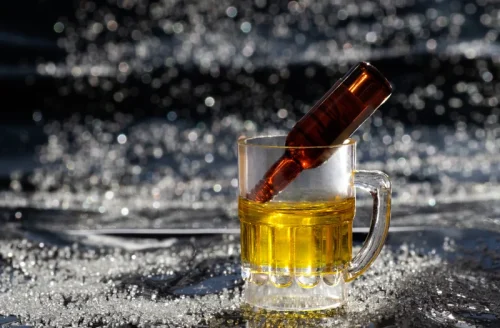
Beer glass with bottle on icy surface.

Alcohol withdrawal seizures can occur after someone has been drinking heavily for a few days or longer. If they suddenly stop drinking or cut back, they will typically experience withdrawal symptoms. If you have mild-to-moderate alcohol withdrawal symptoms, you can often be treated in an outpatient setting. During this process, you will need someone to stay with you and keep an eye on you. You will likely need to make daily visits to your provider until you are stable.

alcohol withdrawal seizure

Epilepsy and Seizures 24/7 Helpline

The short-term effects of alcohol result from its actions on ligand-gated and voltage-gated ion channels (2–4). Prolonged alcohol consumption leads to the development of tolerance and physical dependence, which may result from compensatory functional changes in the same ion channels. Abrupt cessation of prolonged alcohol consumption unmasks these changes, leading to the alcohol withdrawal syndrome, which includes blackouts, tremors, muscular rigidity, delirium tremens, and seizures (5,6). Alcohol withdrawal seizures typically occur 6 to 48 hours after discontinuation of alcohol consumption and are usually generalized tonic–clonic seizures, although partial seizures also occur (7,8). Not everyone who experiences alcohol withdrawal will experience delirium tremens.

Don’t Abuse Alcohol

The timeframe will be different for everyone, but seizures will normally start within the first 72 hours. If someone has a seizure from alcohol withdrawal symptoms, you should move things out of the way that they could accidentally hurt themselves with during the seizure. You should also call 911 and get emergency medical help as soon as possible, even if the seizure has stopped. After the seizure, you should position them on their side and ensure that their airway is clear while waiting for emergency assistance. Medical professionals often recommend that people with epilepsy avoid or consume a moderate amount of alcohol.

Patient Profile

alcohol withdrawal seizure

Alcohol withdrawal seizures are similar to tonic-clonic seizures, which are often seen with issues like epilepsy. The first may involve a loss of consciousness with increased muscle rigidity. The second phase involves rapid tightening and relaxing of the muscles, which involve convulsions that can lead to serious injuries. You will typically require hospitalization if you experience seizures related to alcohol withdrawal. While in the hospital, a medical team can monitor any other symptoms you may experience, as well as treat your seizures.

Can Using Meth Once Cause Withdrawal?

  • It is hypothesized that seizure activity propagates from the IC to deep layers of the superior colliculus (a major output of the IC) to trigger the wild running phase of the audiogenic seizure.
  • It’s suggested that repeated alcohol withdrawal seizures can make the brain more susceptible to seizures.
  • Full-text articles were obtained from this list and the cross-references.
  • Alcohol dependence may be treated with various options, including medications.
  • This review summarizes literature regarding the identification and management of alcohol withdrawal in the ED as well as techniques for facilitating transitions of care for individuals experiencing alcohol withdrawal.
  • The relationship between alcohol and seizures was first mentioned by Hippocrates (34), as well as by the Romans, who even put a name to it, morbus convivialis, or “disorder related to partying” (30).

The likelihood of experiencing seizures increases significantly after consuming three or more alcoholic drinks. Binge drinking and subsequent alcohol withdrawal can lead to status epilepticus, a severe, life-threatening condition that can be fatal. Symptom-triggered protocols can be complicated by co-morbid psychiatric or medical illness given that there may be significant overlap between symptoms of alcohol withdrawal and a primary alcohol withdrawal seizure psychotic or mood disorder (anxiety, agitation, hallucinations). Similarly, several of the symptoms of AWS may be seen independently in medically ill patients (nausea, vomiting, headache, diaphoresis) and in those with delirium due to a separate etiology (clouded sensorium, perceptual disturbances). Furthermore, some patients may exaggerate the subjective symptoms of alcohol withdrawal in order to receive more benzodiazepines.

alcohol withdrawal seizure

Clinical spectrum

In these models, the withdrawal seizures are triggered by neuronal networks in the brainstem, including the inferior colliculus; similar brainstem mechanisms may contribute to alcohol withdrawal seizures in humans. Alcohol dependence results from compensatory changes during prolonged alcohol exposure, including internalization of GABAA receptors, which allows adaptation to these effects. Withdrawal seizures are believed to reflect unmasking of these changes and may also involve specific withdrawal-induced cellular events, such as rapid increases in α4 subunit–containing GABAA receptors that confer reduced inhibitory function. Optimizing approaches to the prevention of alcohol withdrawal seizures requires an understanding of the distinct neurobiologic mechanisms that underlie these seizures. In a meta-analysis of controlled trials for prevention of alcohol withdrawal seizures, a highly significant risk reduction for seizures with benzodiazepines compared to placebo was demonstrated (19). For the purpose of reducing risk of seizures and rebound withdrawal symptoms after discontinuation, long-acting drugs should be preferred to short-acting ones (36; 19).

When to Contact a Medical Professional

When patients present repeatedly with typical alcohol withdrawal seizures, imaging is not necessary unless changes in seizure type and frequency, seizure occurrence more than 48 hours after cessation of drinking, or other unusual features are present. Moderately severe AWS causes moderate anxiety, sweating, insomnia, and mild tremor. Those with severe AWS experience severe anxiety and moderate to severe tremor, but they do not have confusion, hallucinations, or seizures. When not properly treated, AWS can progress to delirium tremens (Table 38–10).

What are the recommendations for alcohol use with epilepsy?

It’s suggested that repeated alcohol withdrawal seizures can make the brain more susceptible to seizures. This means that someone who has had seizures induced by binge drinking might start to experience spontaneous epilepsy seizures, regardless of whether they’re drinking or not. “Alcohol-related seizures” describes all types of interrelationships between seizures and chronic alcohol abuse in adults (44). On the other hand, situations that are consequent to alcohol abuse and acute withdrawal are where seizures are most often encountered. Alcohol withdrawal seizures are caused by abrupt cessation of heavy alcohol consumption (44). For a comprehensive discussion of seizure types related to alcohol, see McMicken and Liss (37).

What causes alcohol withdrawal seizures?

  • It is important to evaluate for suicide risk in every patient during the initial assessment (70).
  • Alcohol withdrawal causes a range of symptoms when a person with alcohol use disorder stops or significantly decreases their alcohol intake.
  • Withdrawal seizures can occur in patients within just a few hours of alcohol cessation.
  • Some people describe a general “funny feeling” that happens in this phase.

However, in the presence of co-morbidities shorter acting drugs such as oxazepam and lorazepam are used. A ceiling dose of 60 mg of diazepam or 125 mg of chlordiazepoxide is advised per day.[18] After 2-3 days of stabilization of the withdrawal syndrome, the benzodiazepine is gradually tapered off over a period of 7-10 days. Patients need to be advised about the risks and to reduce the dose, in case of excessive drowsiness. In in-patient settings where intense monitoring is not possible due to lack of trained staff, a fixed dose regimen is preferred. Stopping alcohol consumption suddenly after extended periods of heavy drinking can trigger alcohol withdrawal seizures. Tonic-clonic seizures – once called grand-mal seizures –  are the most severe and frequent type of alcohol induced seizure.